
3 Things You Must Know Before Roof Repair
- Barron Miller
- Aug 26, 2025
- 4 min read

Updated: Sep 2, 2025
Repairing or replacing your roof is one of the biggest maintenance jobs you’ll face as a homeowner. In New Zealand, our weather conditions, building rules, and choice of materials make roofing work a bit different from other countries. Before you grab a ladder or book a roofer, here are three essential things every Kiwi homeowner should know.

1. Council Rules and Consents for roof repair – Don’t Get Caught Out
New Zealand’s building regulations are strict for good reason: they ensure homes remain safe, weather-tight, and structurally sound. Before you start roof repairs, you need to know whether your project requires council approval.
When consent is needed: If you’re changing roofing materials (for example, swapping a tiled roof for corrugated steel), altering the pitch, or doing structural work such as replacing rafters, you will almost certainly need a Building Consent. Major replacements or roofs that failed earlier than expected also trigger consent requirements.
When you may not need consent: Like-for-like repairs and small-scale maintenance are usually exempt. Replacing a handful of cracked tiles, resealing flashings, or re-nailing a few iron sheets is considered maintenance and doesn’t require paperwork. Likewise, replacing an old corrugated iron roof with the same type of long-run steel is often exempt, provided the original roof has lasted its minimum durability period.
Why it matters: Carrying out work without the required consent can cause big headaches. It can complicate insurance claims, create problems when selling your property, and even result in fines. A quick call to your local council can save you thousands down the track.
Think of council consent as a safety net. Even if it adds time to the project, it guarantees the repair is done to New Zealand Building Code standards. That means durability, safety, and peace of mind.
Expert tip: Always consult your local council before you start. A five-minute phone consultation could save you thousands of dollars. Or contact us for reliable assistance with any questions you may have.
2. Roofing Materials – Know What’s Over Your Head
New Zealand homes feature a variety of roofing materials, each with its own lifespan, repair quirks, and maintenance demands. Before repairing your roof, it’s vital to know what you’re dealing with.
Corrugated Metal (Long-Run Steel)
This is New Zealand’s most popular roofing choice. Lightweight, strong, and designed to shed rain quickly, metal roofs suit our changeable climate. With modern coatings, they can last 50 years or more. They’re low-maintenance, but they do need occasional checks for rust spots, loose fasteners, and scratches. In coastal areas, salt can accelerate corrosion, so rinsing the roof and using marine-grade steel is important.
Repair tip: Replacing nails with screws and washers can tighten old sheets, and small rust holes can be patched before they spread. Always reseal scratches to stop rust from starting.
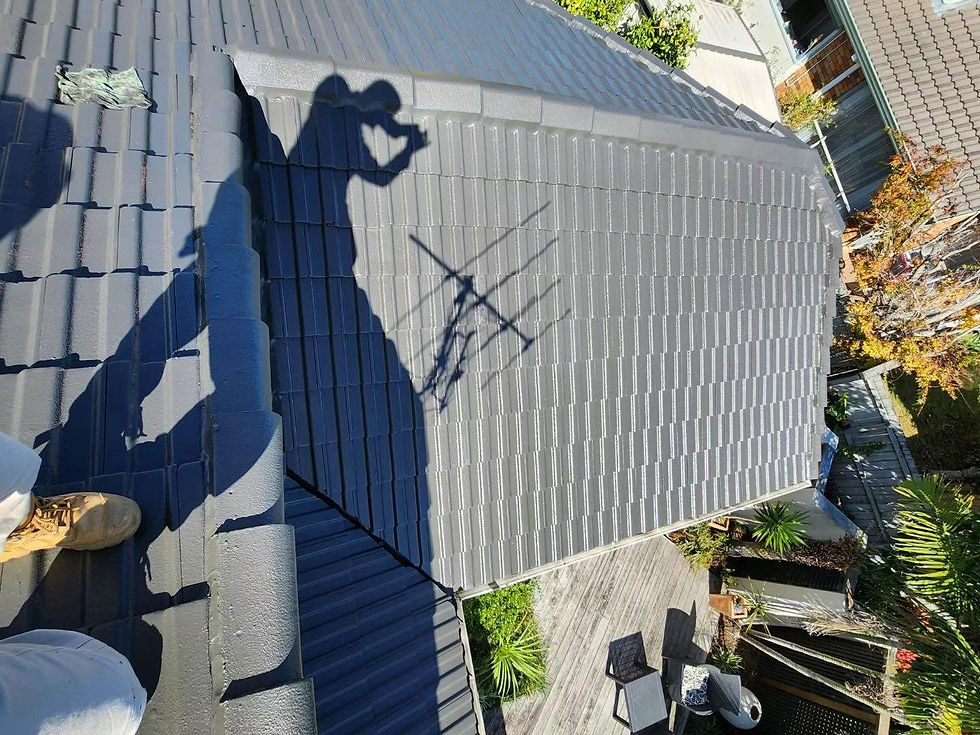
Concrete or Clay Tiles
Tile roofs are durable and often last well over half a century. They add character and are resistant to fire and coastal air. But they’re heavy, so the structure beneath them must be sound. Their biggest weakness is cracking – one loose step or a falling branch can break a tile.
Repair tip: Keep spare tiles on hand because matching colour and style can be tricky years later. Ridge mortar (the cement sealing along the peaks) can also crumble over decades and may need re-pointing.
Asphalt Shingles
Less common than steel or tiles, shingles are still found on thousands of Kiwi homes. They’re lightweight, relatively cheap, and easy to repair. However, they don’t last as long as steel or tiles, usually 20–30 years, and are prone to UV damage in New Zealand’s harsh sun. Shingles may curl, crack, or lose granules as they age.
Repair tip: Damaged shingles can be swapped individually, making repairs straightforward. But widespread deterioration often means a full replacement is more cost-effective.
3. Weather and Climate – Timing is Everything
If there’s one thing New Zealanders know, it’s that the weather can turn in an instant. Roof repairs must be planned around the climate to ensure safety and long-lasting results.
UV exposure: Our strong sun breaks down roofing materials faster than in many other countries. Metal coatings, sealants, and shingles all degrade more quickly under high UV levels, so regular inspections are essential.
Wind and storms: Wellington isn’t the only windy spot – high winds occur across the country and can loosen sheets, nails, and flashings. In storm-prone regions, roofs need more frequent checks.
Salt air: Coastal homes face constant exposure to salt spray, which corrodes metal faster. Extra coatings, stainless fasteners, and regular washes help prevent damage.
Best time for repairs: Warmer, drier months are ideal. Spring to early autumn offers longer daylight and fewer interruptions from rain. Adhesives and sealants also cure better in mild to warm weather. Autumn in particular is a great time to repair or re-roof, preparing your home for the wet, cold winter. Winter repairs are possible if urgent, but expect delays, temporary fixes, and trickier working conditions.
Planning repairs around the weather isn’t just about comfort – it’s about quality. A rushed repair in wet or cold conditions may fail sooner, costing more in the long run.
Final Thoughts
For New Zealand homeowners, roof repairs are more than a quick fix. They’re about complying with building rules, working with the right materials, and respecting our harsh but beautiful climate. By checking with your local council, understanding your roof type, and timing your project wisely, you’ll avoid expensive mistakes and extend the life of your roof.
A strong, compliant, and weather-ready roof means peace of mind – and years of protection for the home beneath it.
Need expert help with your roof? Contact us! A trusted local roofing specialist in your area for an inspection and tailored advice. Professional roofers understand New Zealand’s conditions, council requirements, and repair methods that keep your roof strong for decades.


Comments